The idea of keystone species has become central to how many people understand ecosystem dynamics, particularly within the fields of conservation and wildlife guiding. For those working in safari guiding or nature education, grasping the origin, development, and current challenges of the keystone species concept is essential for accurate interpretation of ecological relationships and informed communication with clients or audiences.
Origins of the Keystone Species Concept
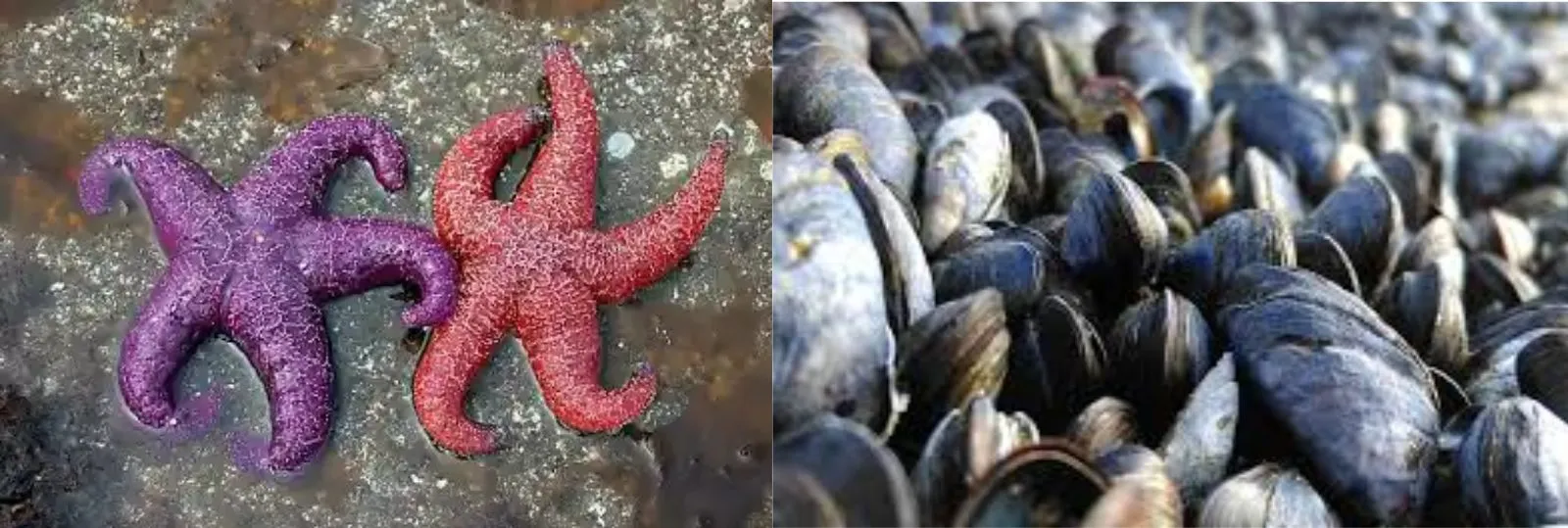
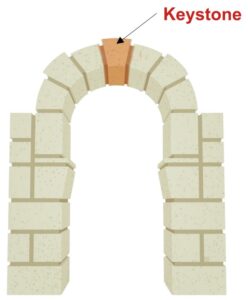
The keystone species concept was first introduced by the ecologist Robert T. Paine in the late 1960s. Paine’s groundbreaking work emerged from his experimental studies on intertidal marine ecosystems in the Pacific Northwest of the United States. Paine observed the effects of selectively removing the sea star Pisaster ochraceus from tide pools. This predator controlled populations of mussels, which, left unchecked, would dominate and exclude many other species from the community. Paine likened the role of this predator to the keystone in an arch: although small in size relative to the whole structure, its presence was pivotal in maintaining the balance and diversity of the ecosystem.
This idea was revolutionary because it emphasised the disproportionate ecological impact that a single species could exert, challenging the then-prevailing notion that ecosystems were dominated by the most abundant or biomass-rich species. This shifted ecology from thinking only about food chains to understanding complex food webs and species interactions.
Pisaster ochraceus and Mytilus californianus that were the basis of the keystone species concept by Robert Paine.
James Estes and the Sea Otter
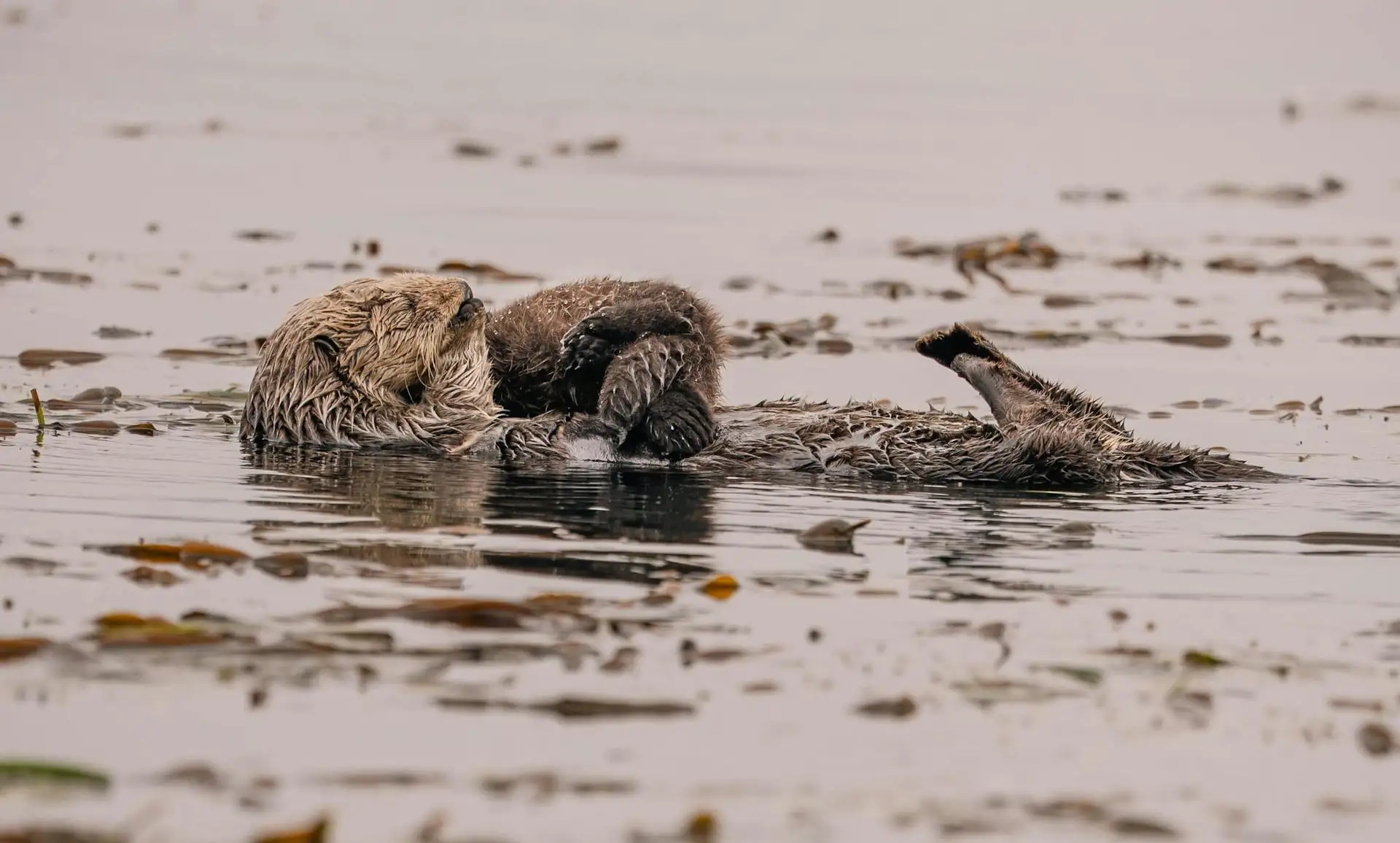
Following Paine’s concept, ecological research extended keystone thinking to other systems. Notably, James Estes and colleagues studied sea otters in kelp forest ecosystems off the North Pacific coast. Sea otters prey on sea urchins, which graze heavily on kelp beds. When sea otters are present, they keep urchin populations in check, allowing lush kelp forests to thrive. Where otters have been removed or declined, unchecked grazing by sea urchins can lead to “urchin barrens”—desolate areas with very little kelp and drastically reduced biodiversity.
Estes’ work became one of the textbook examples of a keystone species in marine ecology, highlighting the cascading effects one predator can have on entire communities and habitat structure.
Sea otter, often considered a keystone species in some regions of the eastern Pacific.
My Own Work on Sea Urchin Grazing (Newfoundland)
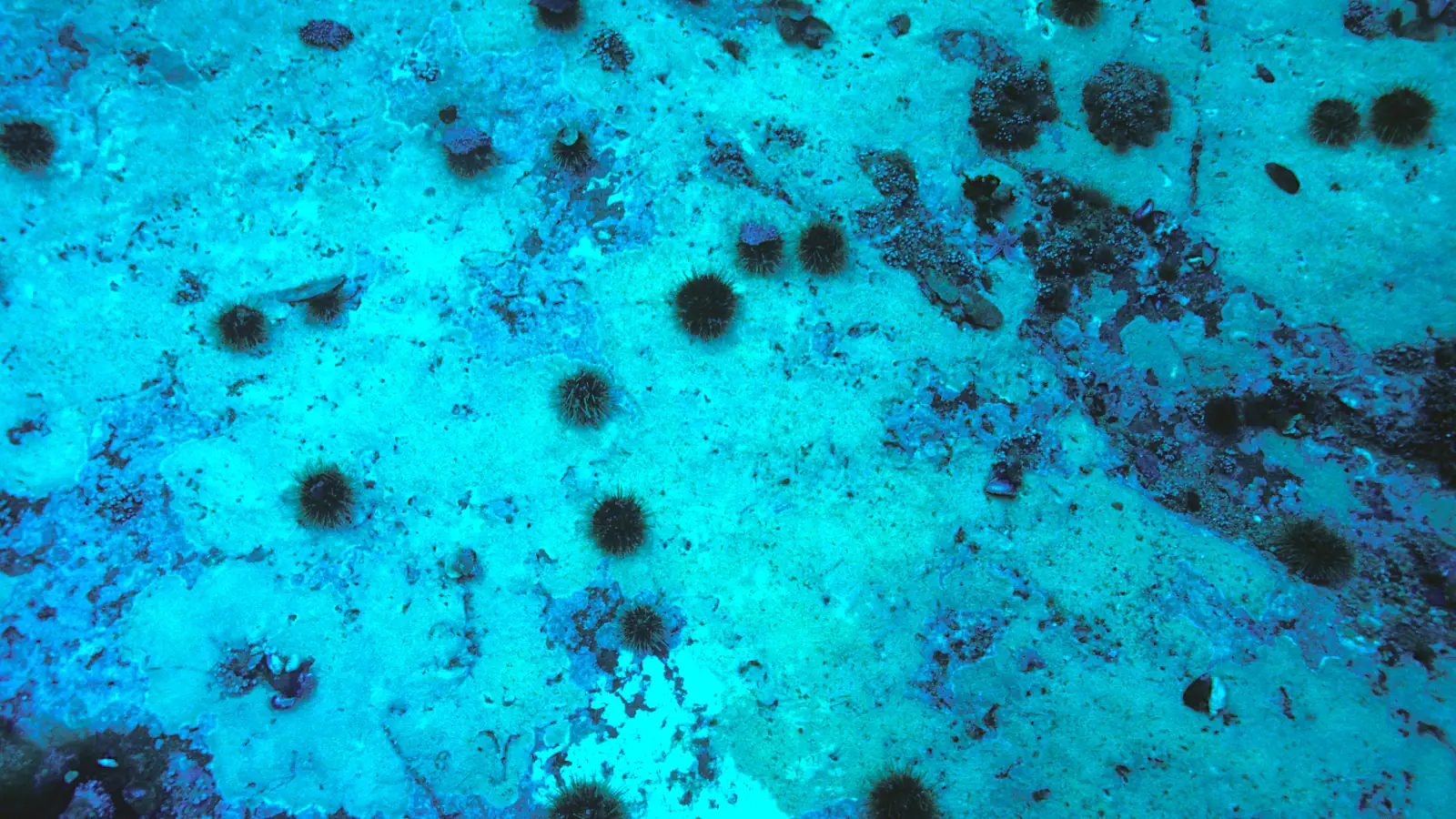
During the 1980s, my own research investigated the dynamics between sea urchin populations and algae in Newfoundland’s coastal ecosystems. This work arose from interest in the potential for sea urchins and their grazing activity to be controlled by a keystone interaction, similar to those described by Paine and Estes. Green sea urchins dominated shallow, hard substrates from 2m down to about 15m in depth, leaving mostly only a cover of crustose coralline algae. Fleshy seaweeds returned in plots from which we removed green sea urchins, but not in control plots where urchins were not removed. In many areas along the northwestern Atlantic coast, lobsters were proposed as a keystone species at the time.
Green sea urchins with crustose coralline algae.
However, our research on green sea urchin predators suggested a more complex situation. Unlike isolated ecosystems with relatively intact food webs, Newfoundland’s marine environment had been heavily affected by decades of human exploitation of multiple fish species, including lobsters. I concluded that the inshore marine ecosystem was so degraded that it lacked a single species that exerted the classic keystone influence. Instead, the system had shifted into a simpler state in which the absence of many ecological interactions influenced ecosystem structure, making it difficult to identify a single keystone species.
For me, this raised important questions about the applicability of the keystone concept in human-impacted ecosystems and demonstrated the critical role of ecosystem context.
Definition of Keystone Species
Paine named “keystone species” after the central stone in an arch because of the disproportionate role it has in holding the arch together.
Building from these foundational studies, the formal definition of a keystone species in ecology, based on Paine’s work, is typically stated as:
Keystone species: A species that has a disproportionately large effect on its natural environment relative to its abundance, influencing community structure and ecosystem function such that, if removed, significant changes or collapses would occur.
It is important to emphasise that the “disproportionate effect” is relative to the species’ biomass or numerical abundance and not just its presence.
In the past two decades, the keystone species concept has gained widespread popularity beyond academic ecology. It is commonly used in conservation messaging and tourism marketing, sometimes with considerably less precision.
In savanna ecosystems, for example, iconic species such as elephants and lions are occasionally labelled as keystone species. While these animals undoubtedly shape ecosystem processes, some ecologists argue that the term is overused or loosely applied, with insufficient empirical evidence to demonstrate their keystone status under the formal definition.
Recent Perspectives and Criticism
Criticism of the keystone concept includes the following points:
Context Dependence: The influence of candidate keystone species often depends on spatial, temporal, and ecological contexts. A species may be keystone in one area or time period but not in another.
Human Impacts: As seen in the Newfoundland case, human exploitation and habitat alteration can so severely alter food webs that it is difficult to identify true keystone species, even if they existed in the past.
Conceptual Ambiguity: There is sometimes confusion among keystone, dominant, foundation, and umbrella species, each with distinct ecological definitions and implications.
Marketing and Conservation Messaging: The term “keystone species” is attractive for generating interest and support for conservation. However, this can lead to oversimplification or exaggeration of ecological roles, which may mislead both the public and decision-makers.
Despite these critiques, the keystone species concept remains a valuable heuristic, particularly when applied with scientific rigor and attention to ecological complexity. Unfortunately, that is not how it is most often applied.
Scientific Concept or Marketing Tool?
For trainee and working safari guides, understanding the balance between scientific accuracy and conservation messaging is vital. Scientifically, the keystone species concept provides a powerful framework for investigating species interactions and their ecological consequences. It encourages a focus on indirect effects and ecosystem-wide perspectives rather than simplistic abundance measures. But it gets misused far too often.
From a marketing standpoint, the concept can capture public imagination and focus conservation efforts on species whose protection may benefit broader communities. However, oversimplification risks obscuring the complexity of ecosystems, potentially leading to misguided management or unachievable expectations. It is essential to communicate the roles of keystone species carefully, highlighting context, evidence, and uncertainty when relevant.
Conclusion
The journey of the keystone species concept, from Robert Paine’s tide pools to James Estes’ kelp forests and even to complex coastal ecosystems like Newfoundland, underscores the complexity and nuance of ecological systems and suggests taking the ‘keystone species’ concept with a grain of salt.
For those guiding or teaching about nature, this concept is a tool best used with extreme caution, acknowledging its strengths, limitations, and the evolving understanding of ecological science. By doing so, guides can promote scientifically informed appreciation of biodiversity and ecosystem health, contributing to more meaningful and responsible conservation communication.
Kenga Solutions privacy choices
We use essential cookies to make this website work. Embedded content, such as videos, may set third-party cookies. You can accept or reject embedded content cookies.