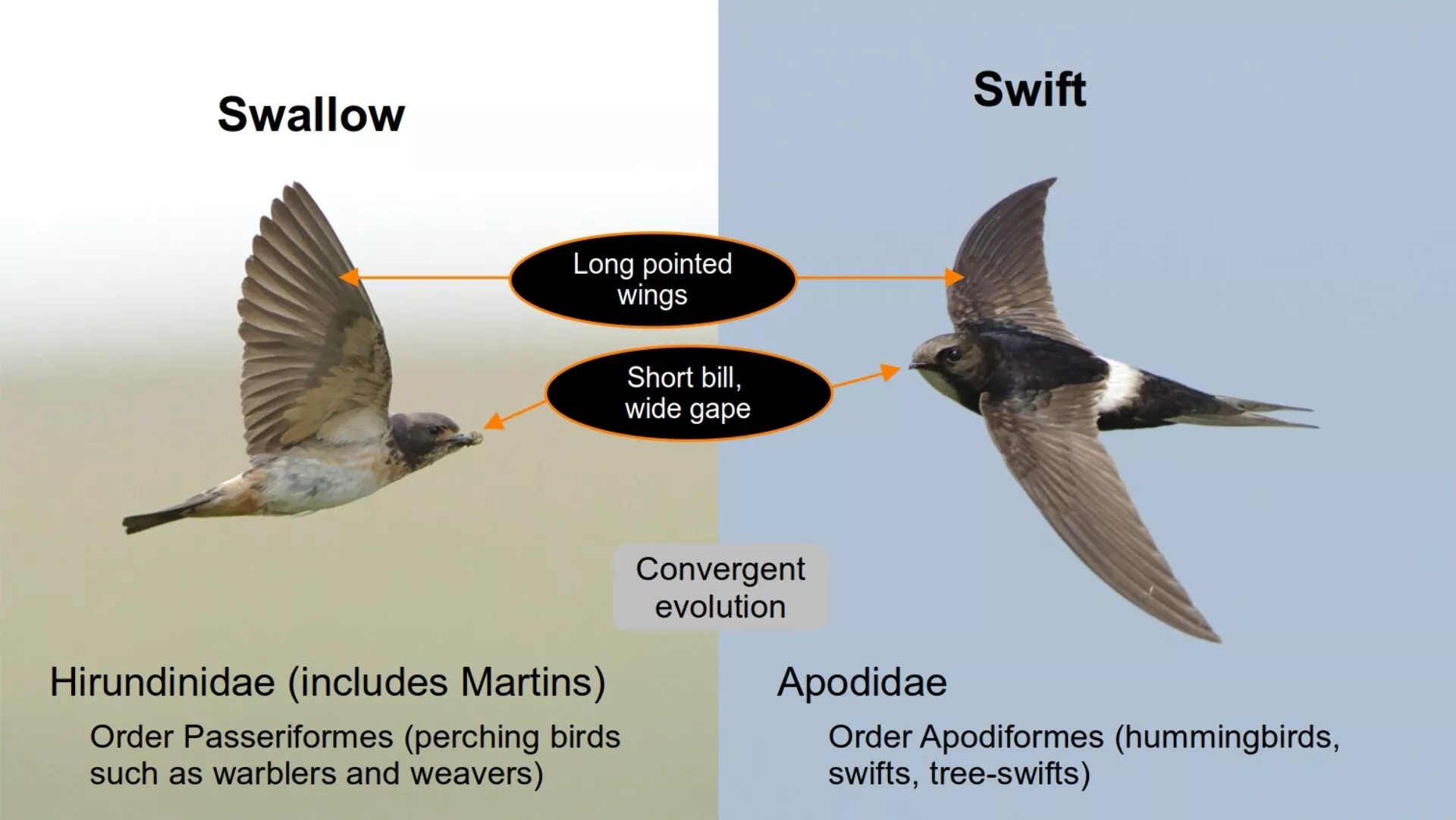
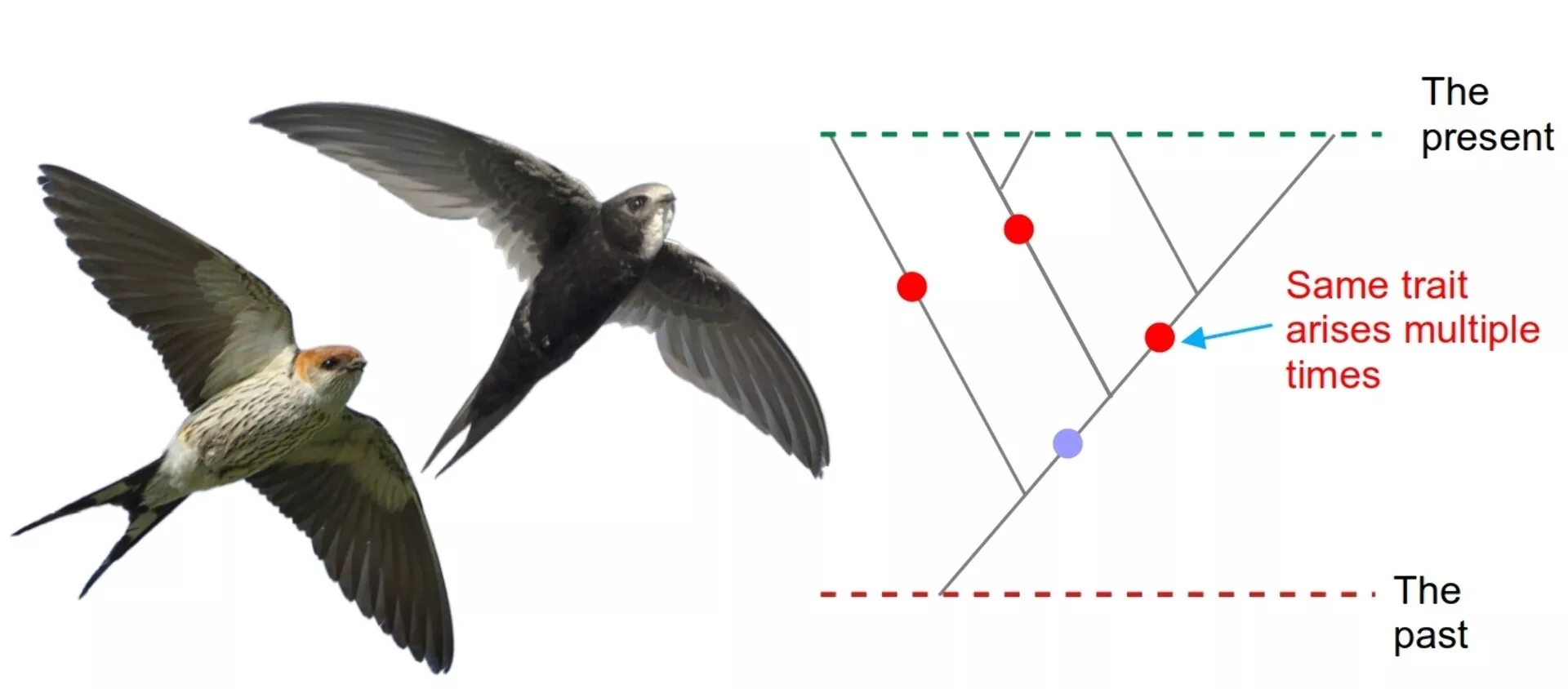
They resemble one another because of a process known as convergent evolution. This is the evolutionary process whereby organisms that are not closely related independently evolve similar traits as a result of adapting to similar environments or ecological niches.
A niche is basically the total way of life of a species. Another way to look at it is to consider the match of a species to a specific set of environmental conditions. This may include aspects such as food and feeding, behaviour, reproduction, predators and avoiding predation, competitors and competition, as well as parasitism and the challenge of parasites. The more the niches of two species overlap, the more intensely they compete, and this can create selective pressure for differentiation.
Any group of birds that can evolve to hunt insects on the wing will gain some competitive advantage over more sedentary feeders, and reduce the niche overlap with them, thus reducing competition.
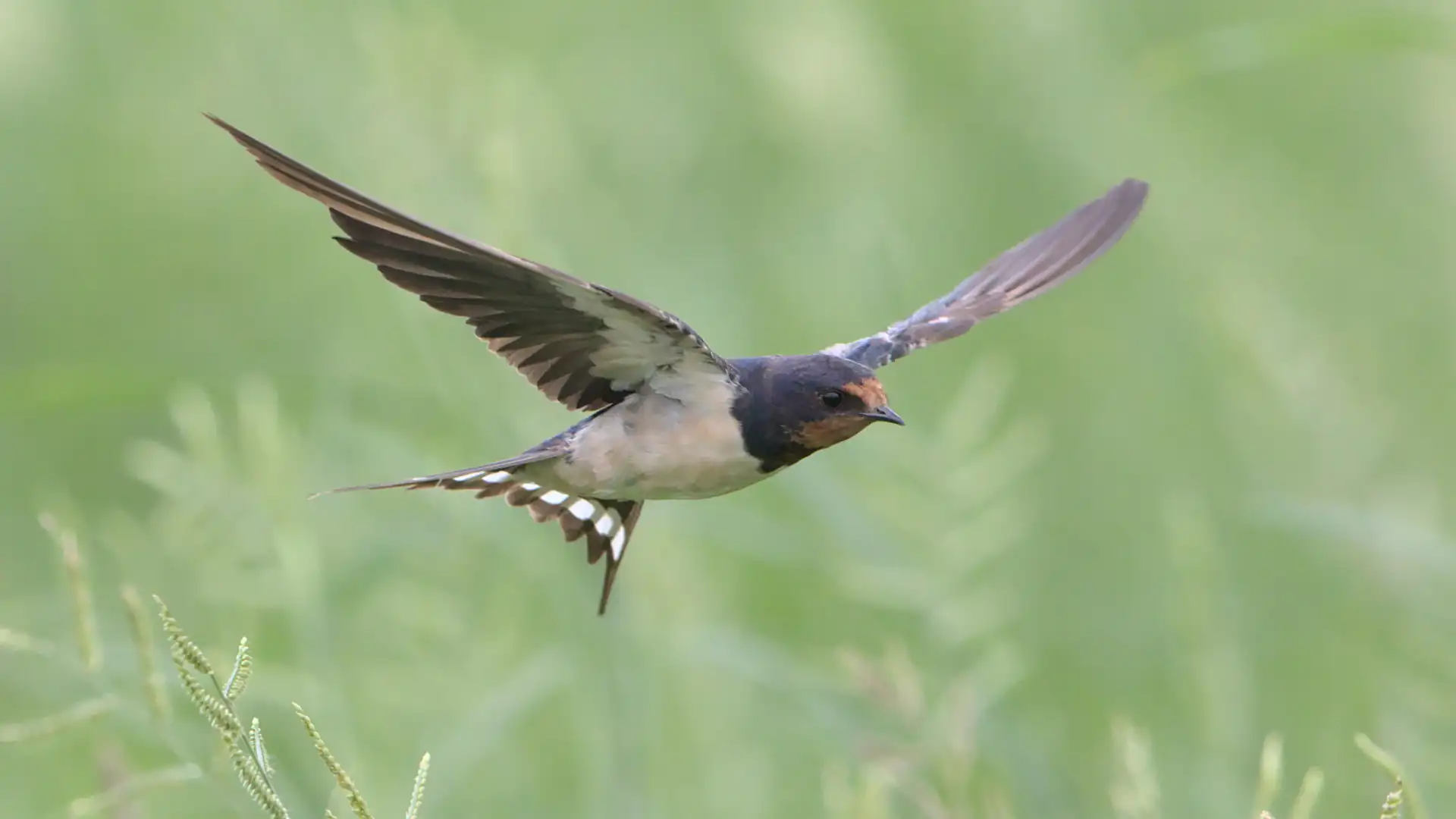
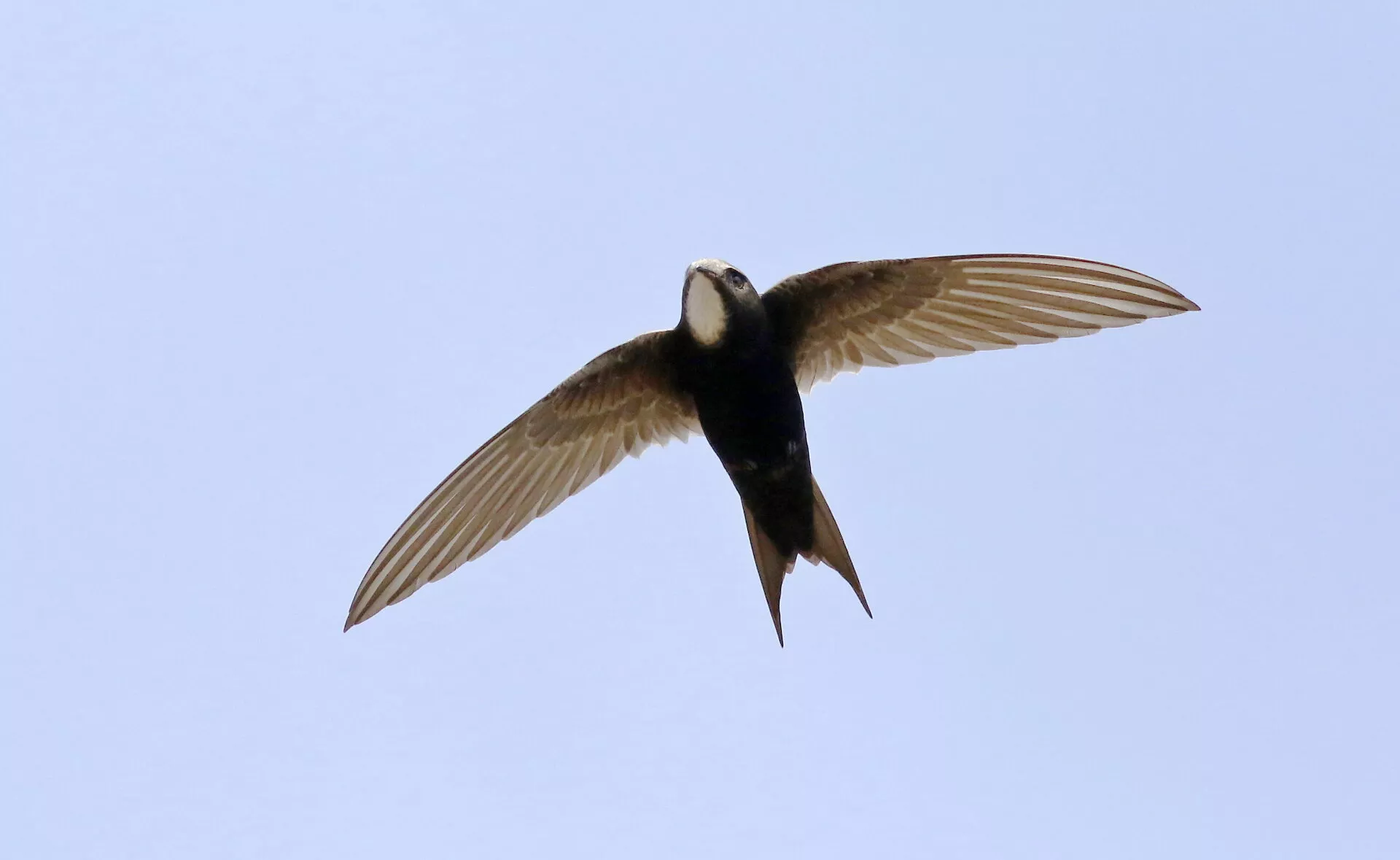
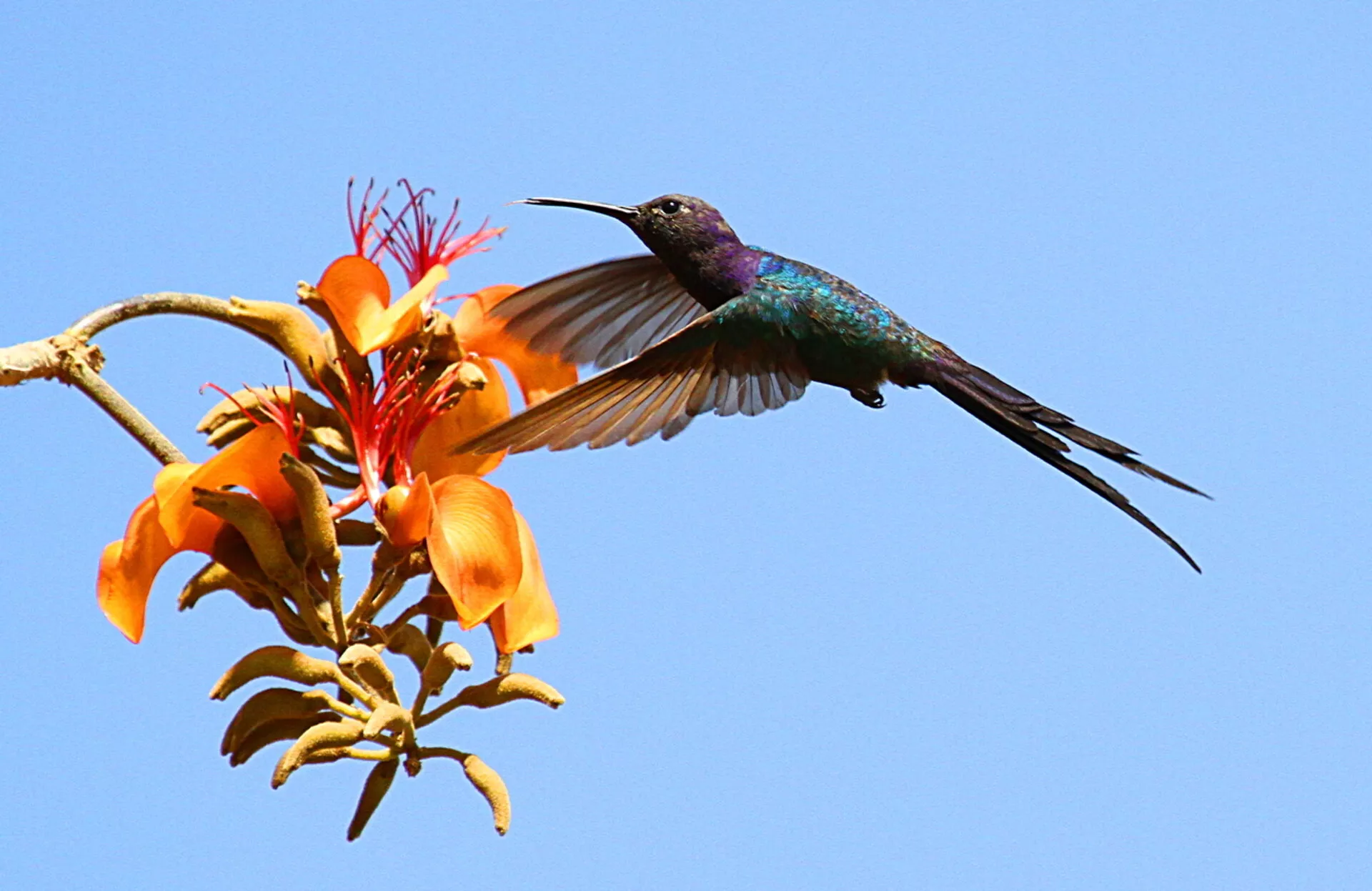
The swallows (family Hirundinidae, including martins and saw-wings) and swifts (family Apodidae) represent two distinct groups of birds that have adapted to hunting insects on the wing. They don’t just belong to different families of birds; they belong to two completely different orders. Swallows belong to the order Passeriformes, the perching birds such as warblers and weavers. Swifts are closer to hummingbirds and are placed in the order Apodiformes (although Sibley-Ahlquist taxonomy raises this group to a superorder, the Apodimorphae). The Apodiformes evolved in the Northern Hemisphere, probably during the Late Palaeocene or Early Eocene, so swallows and swifts have not had a common ancestor for many, many millions of years.
Both groups are adapted to hunting insects on the wing and have developed a slender, streamlined body and long, pointed wings, which allow great manoeuvrability and long periods in the air that include frequent periods of gliding. They also have they have short bills, strong jaws and a wide gape, characteristics that they also share with night jars.
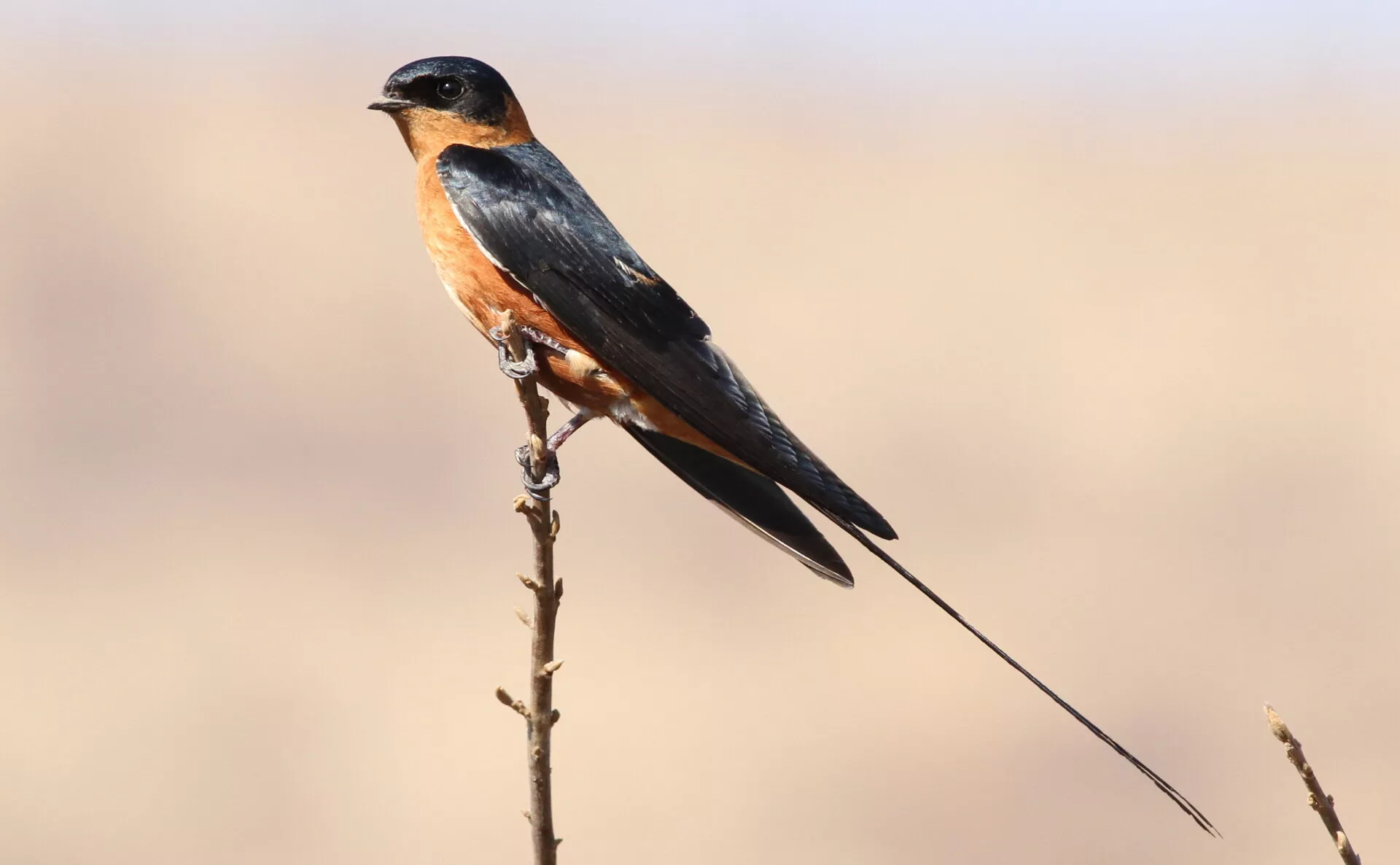
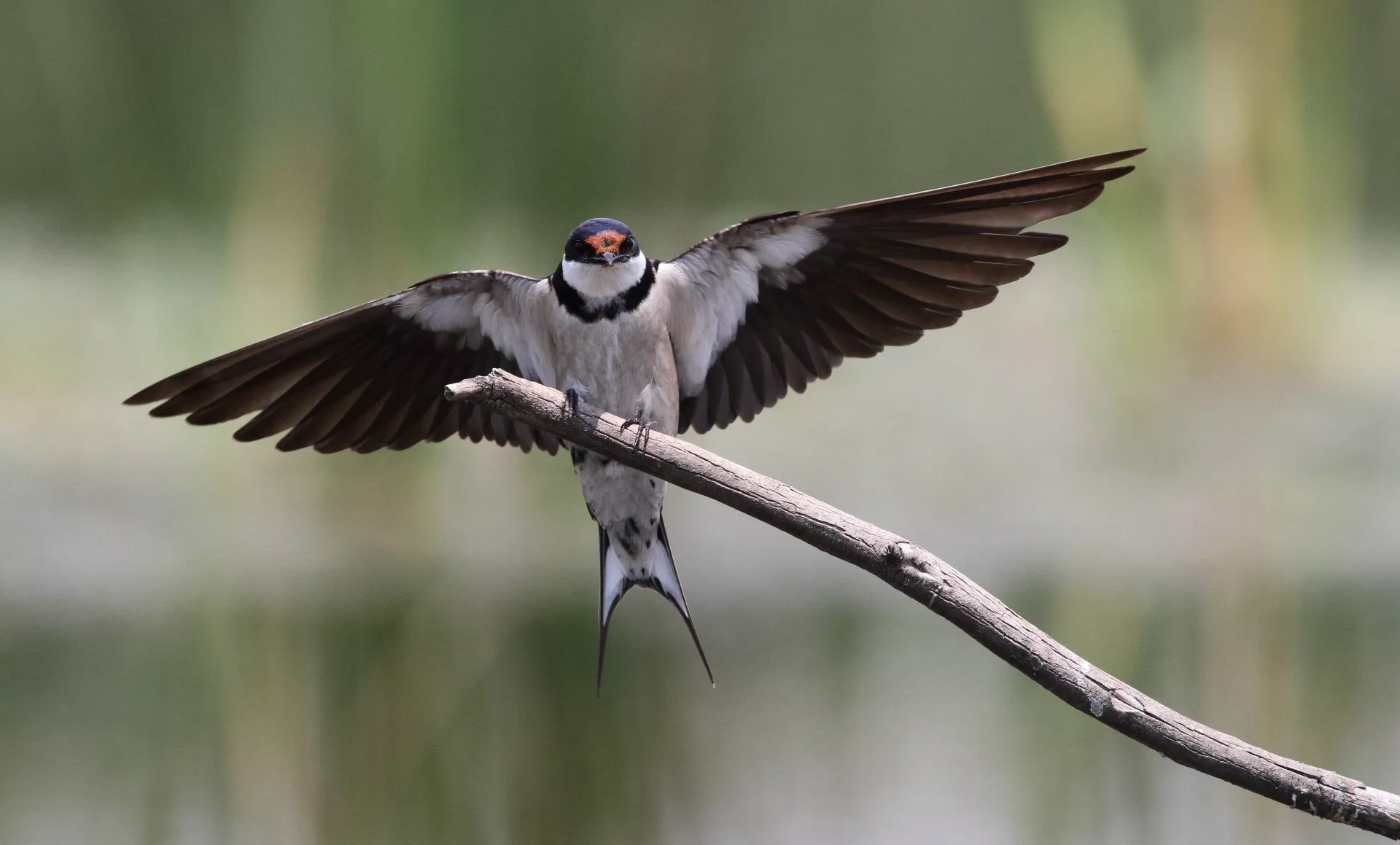
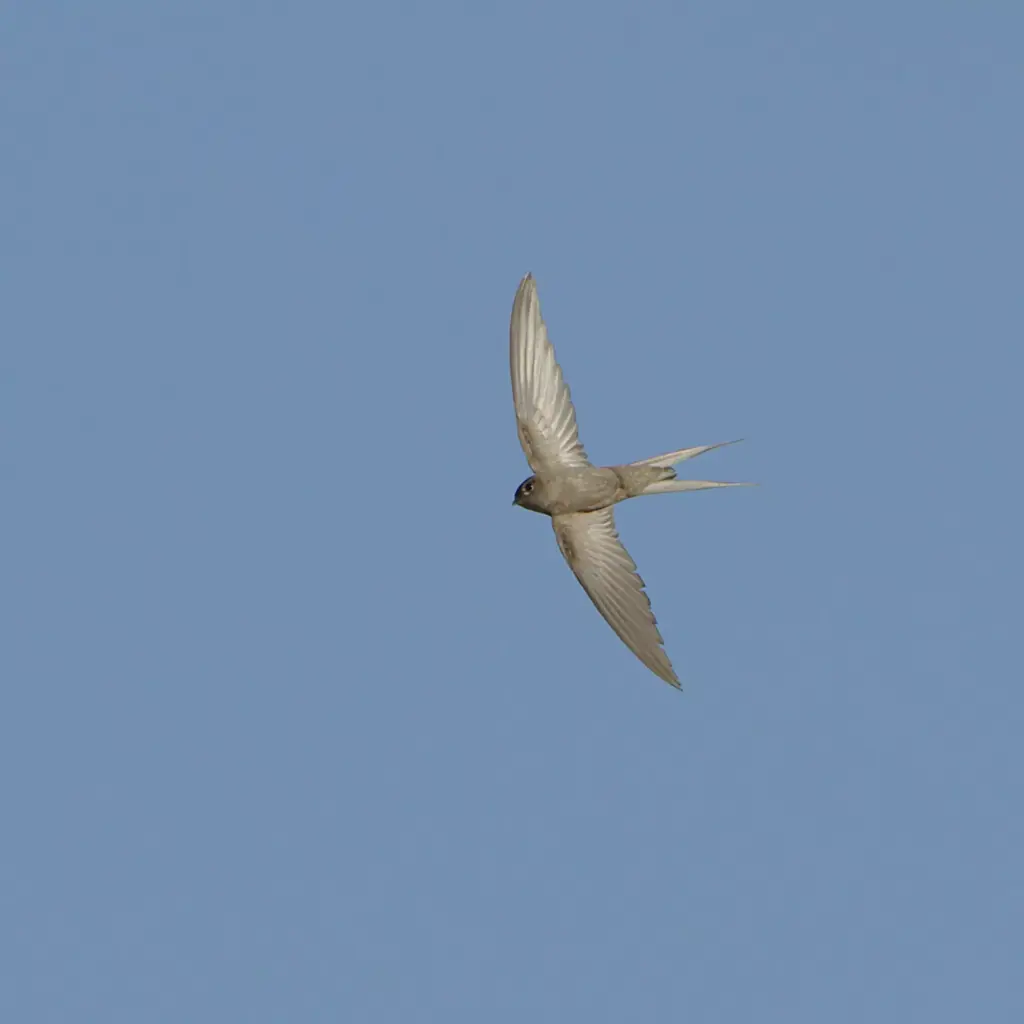
Swallows and relatives in the Hoedspruit area include barn swallow, lesser striped swallow, mosque swallow, red-breasted swallow, wire-tailed swallow, brown-throated martin, common house martin, sand martin and black saw-wing. Swifts in our area include the African black swift, African palm swift, alpine swift (most commonly seen up on the panorama route, along the edges of cliffs), horus swift, little swift (the most common one around Hoedspruit), and white-rumped swift.
onvergent evolution can create confusion in how we understand relationships among organisms because the same trait evolves multiple times in lineages that are not recently related. Fortunately, birds often provide clues that can lead us in the right direction, and the most obvious one, with swallows and swifts, is in their feet. As passerines, they have each foot with three toes directed forward and one directed backwards, which helps them perch upright on tree branches. Swallows and their relatives often perch in trees, and if you ever watch barn swallows feeding, you will know that they often spend time in trees between feeding bouts.
The feet of swifts and other Apodiformes are different. Swifts have short legs and very small feet that are equipped with sharp, curved claws adapted for gripping onto sheer cave walls and cliffs. Swifts cannot perch on trees, and you pretty much never see them doing so. These differences tell us that despite their similarities, these birds are not closely related. Nowadays, this is also confirmed by DNA evidence.
So the next time you are out and you see birds flying around catching insects, see if you can tell if they are swallows or swifts. If you watch them for a while, you will soon see the differences!