

Docker Compose
Docker Compose is a tool for defining and running multi-container applications. It is the key to unlocking a streamlined and efficient development and deployment experience. Compose simplifies the control of your entire application stack, making it easy to manage services, networks, and volumes in a single YAML configuration file. Then, with a single command, you create and start all the services from your configuration file.

Mastering Unit Testing in PHP: Tools, Frameworks, and Best Practices
Unit testing is a critical part of the software development lifecycle that ensures individual components or functions of an application behave as expected. In PHP, unit testing helps verify the correctness of code, allowing developers to catch bugs early and improve code reliability and maintainability.
PHP the Right Way
There’s a lot of outdated information on the Web that leads new PHP users astray, propagating bad practices and insecure code. PHP: The Right Way is an easy-to-read, quick reference for PHP popular coding standards, links to authoritative tutorials around the Web, and what the contributors consider to be best practices at present.
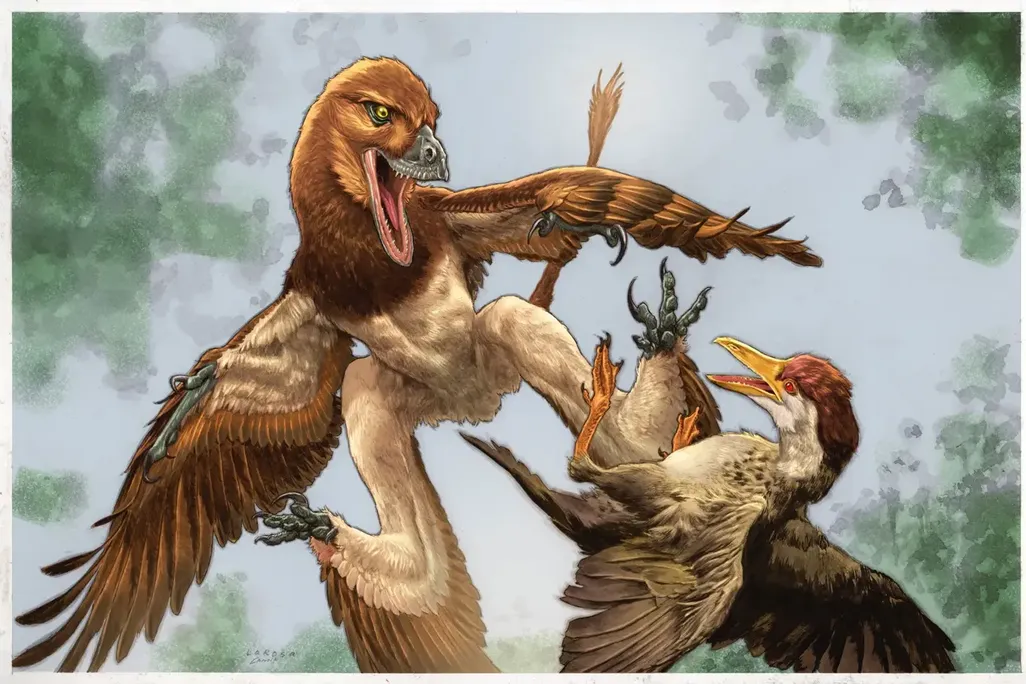
This Strange, Feathered Dinosaur May Have Glided Between Trees Like a Flying Squirrel to Hunt Birds 120 Million Years Ago
A fossil of the creature provides the first evidence that microraptors lived in what is now northwestern China. Its discovery might also solve an ancient murder myster

Get started with Docker
If you're new to Docker, this section guides you through the essential resources to get started. Follow the guides to help you get started and learn how Docker can optimize your development workflows.
The Eocene Epoch Explained: How the Rise of Mammals Shapes Our Modern World
The Eocene epoch spanned 56 to 33.9 million years ago and triggered an evolutionary explosion that created the ancestors of all modern mammals.
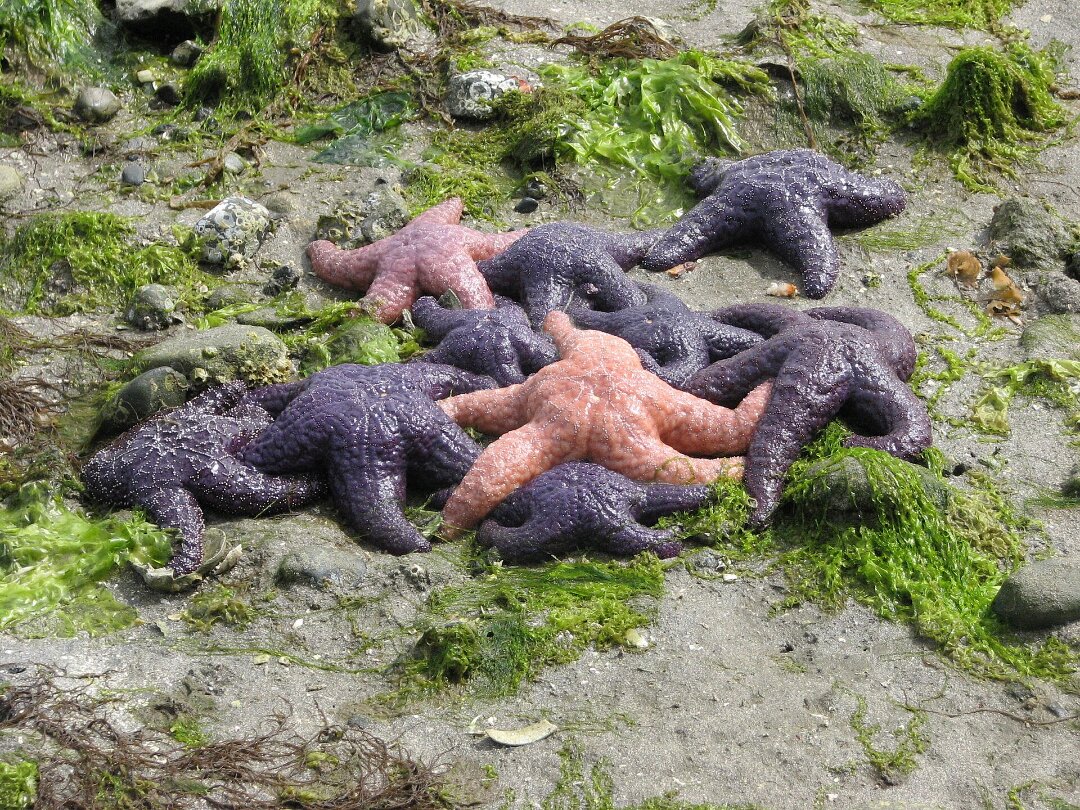
Revising the Keystone Species Concept for Conservation: Value Neutrality and Non-Nativeness
The keystone species concept is often used in conservation. However, scientists and conservationists use the concept in many different ways. I suggest that a problem with the concept in conservation is not the lack of a shared definition. Instead, the problem is how the concept is applied to only certain species despite potentially covering a broader suite of species. This highlights unstated values in using the concept in conservation. I use novel examples, such as non-native Burmese pythons in Florida, to motivate this. I argue that the concept should include these species and be used value-neutral.

Inkscape 1.4.4 SVG Editor Released with a New Palette, Performance Improvements – 9to5Linux
Inkscape 1.4.4 open-source SVG editor is now available for download with a new palette, performance improvements,and bug fixes.

A comprehensive phylogenomic framework for cycads (Cycadales)
Here we present a time-calibrated phylogeny of 346 cycad accessions, covering ≈86% of the 380 accepted species, across all 10 extant genera, inferred from 1,409 single-copy nuclear loci (411,345 amino acid sites) derived from transcriptome and g...

Phylogenetic analyses reveal the shady history of C4 grasses
Grasslands cover more than 20% of the Earth's terrestrial surface, and their rise to dominance is one of the most dramatic events of biome evolution in Earth history. Grasses possess two main photosynthetic pathways: the C3 pathway that is typical of most plants and a specialized C4 pathway that minimizes photorespiration and thus increases photosynthetic performance in high-temperature and/or low-CO2 environments. C4 grasses dominate tropical and subtropical grasslands and savannas, and C3 grasses dominate the world's cooler temperate grassland regions. This striking pattern has been attributed to C4 physiology, with the implication that the evolution of the pathway enabled C4 grasses to persist in warmer climates than their C3 relatives. ......

The Origins of C4 Grasslands: Integrating Evolutionary and Ecosystem Science
The evolution of grasses using C4 photosynthesis and their sudden rise to ecological dominance 3 to 8 million years ago is among the most dramatic examples of biome assembly in the geological record. A growing body of work suggests that the patterns and drivers of C4 grassland expansion were considerably more complex than originally assumed. Previous research has benefited substantially from dialog between geologists and ecologists, but current research must now integrate fully with phylogenetics. A synthesis of grass evolutionary biology with grassland ecosystem science will further our knowledge of the evolution of traits that promote dominance in grassland systems and will provide a new context in which to evaluate the relative importance of C4 photosynthesis in transforming ecosystems across large regions of Earth.

Enantiornithes
If you find a bird bone in deposits from the Cretaceous period (145–66 million years ago), chances are it will belong to an enantiornithine bird. This extinct group of birds was mostly arboreal and dominated terrestrial environments from 130 to 66 million years ago. With approximately 90 known genera, they account for more than half of the known diversity of Mesozoic birds. Yet, despite apparently out-competing birds more closely related to living species in most Cretaceous continental environments, enantiornithines mysteriously went extinct at the end of the Cretaceous, alongside all other non-neornithine (crown-bird) dinosaurs.